
WHEN EXPRESSION BECOMES PERFORMANCE
A PORTRAIT SESSION EXPLORING THE TENSION BETWEEN STAGED IDENTITY AND UNGUARDED EMOTION

The following collection of portraits focuses on the duality of performing emotions and authentic reactions. The images depict how people act around the camera, an environment that usually causes people to be aware of their facial expressions and behavior. The collection includes portraits of people who have made an effort to display some kind of reaction, while other images capture their unpretentious and spontaneous emotional reactions.
This duality is demonstrated by small elements that point out the gap between performance and authenticity. For example, a person’s facial expressions may indicate the difference between a conscious reaction and something that came naturally. As opposed to depicting a particular emotion, the collection of portraits encourages the audience to reflect on identity, which depends on various circumstances and situations.
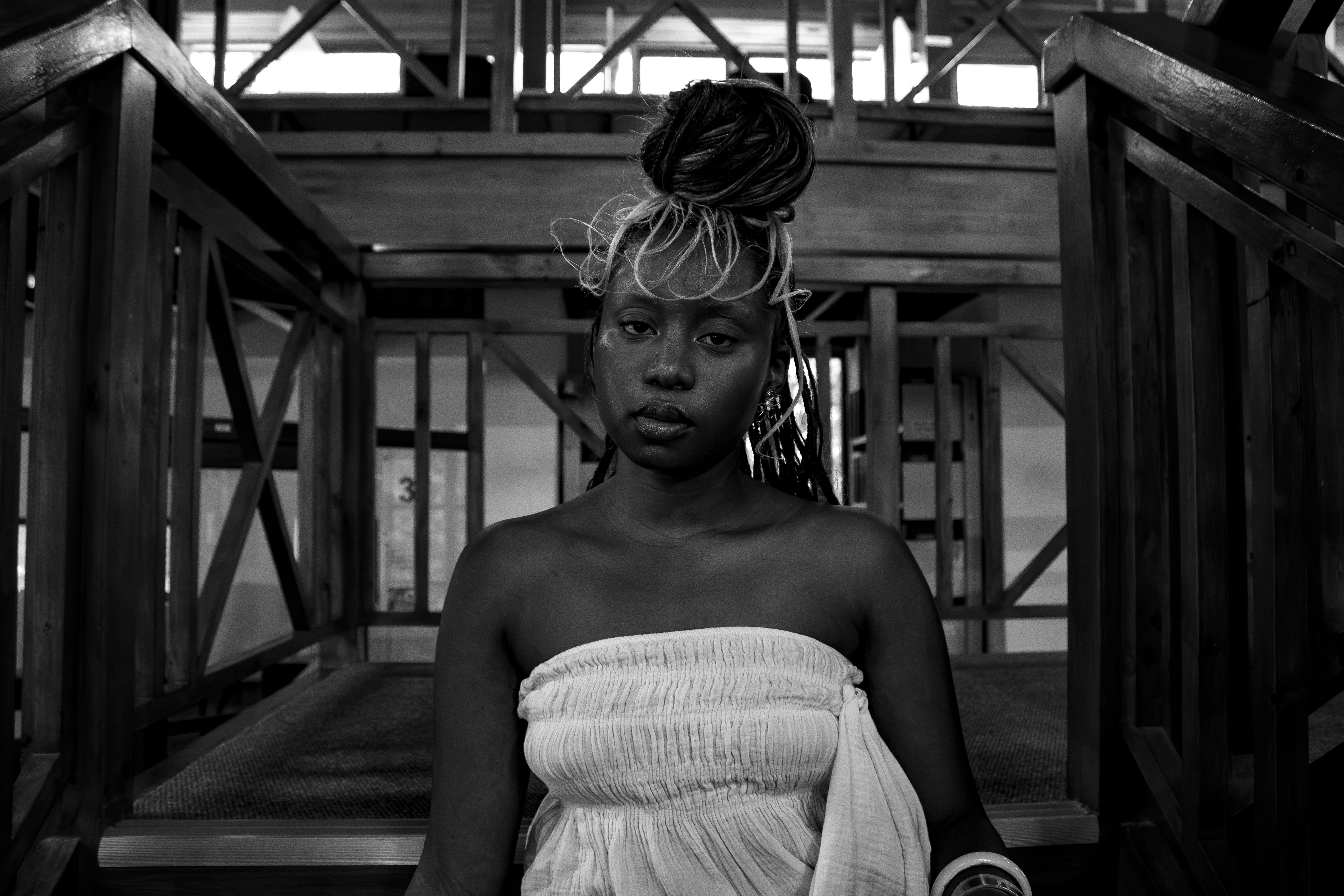
Figure 1
Authentic Gaze, Portrait of Kotulo Nxasana depicting a neutral facial expression and direct gaze, emphasizing authenticity and an unguarded response in front of the camera. Photograph taken in Grahamstown (Makhanda), on the Rhodes University Law library premises by Zekhethelo Ncanana, 2026.
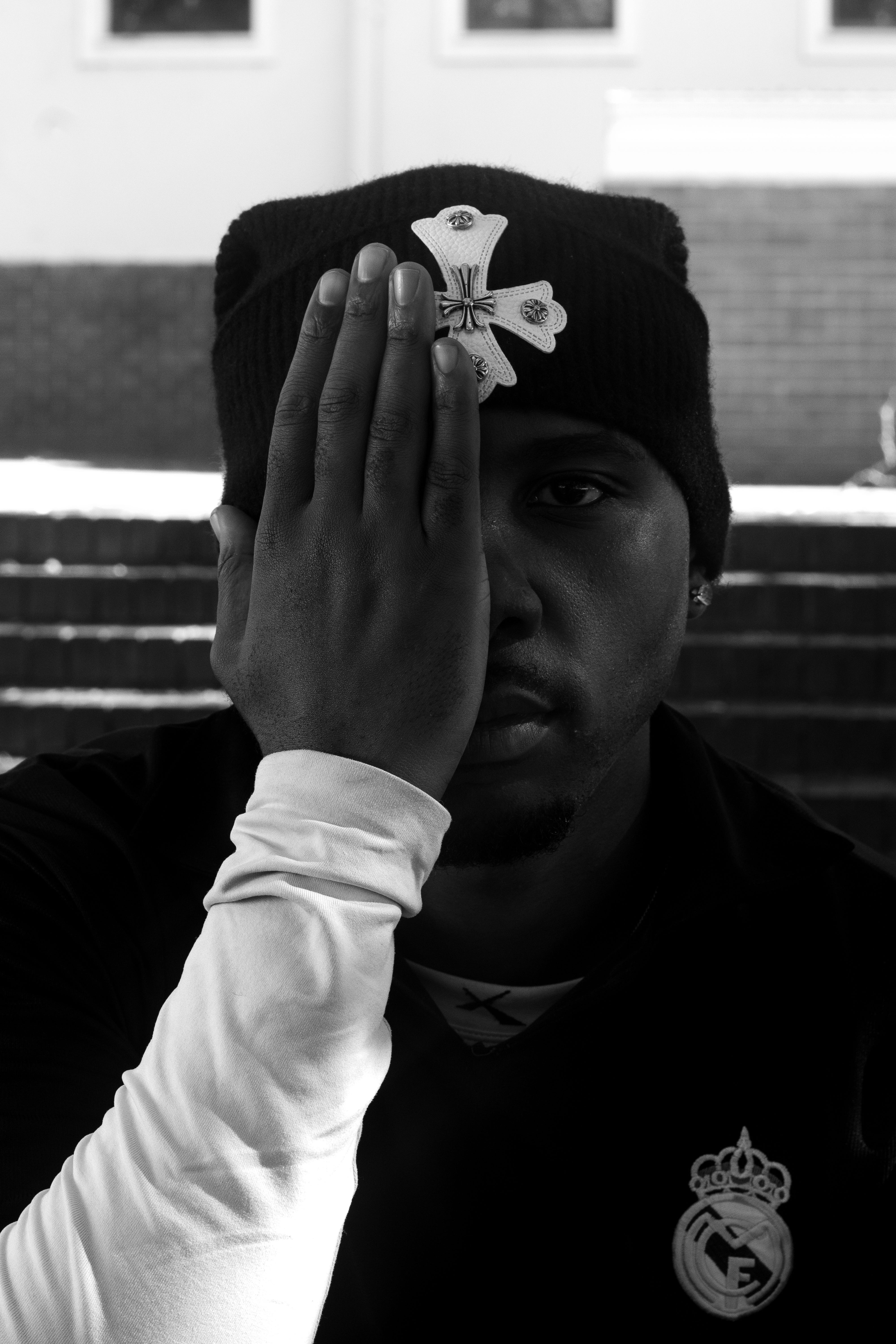
Figure 2
Partial Concealment, Portrait of a Don covering one side of his face, suggesting themes of protection, and selective self-presentation. Photograph taken in Grahamstown (Makhanda), on the Rhodes University premises by Zekhethelo Ncanana, 2026.
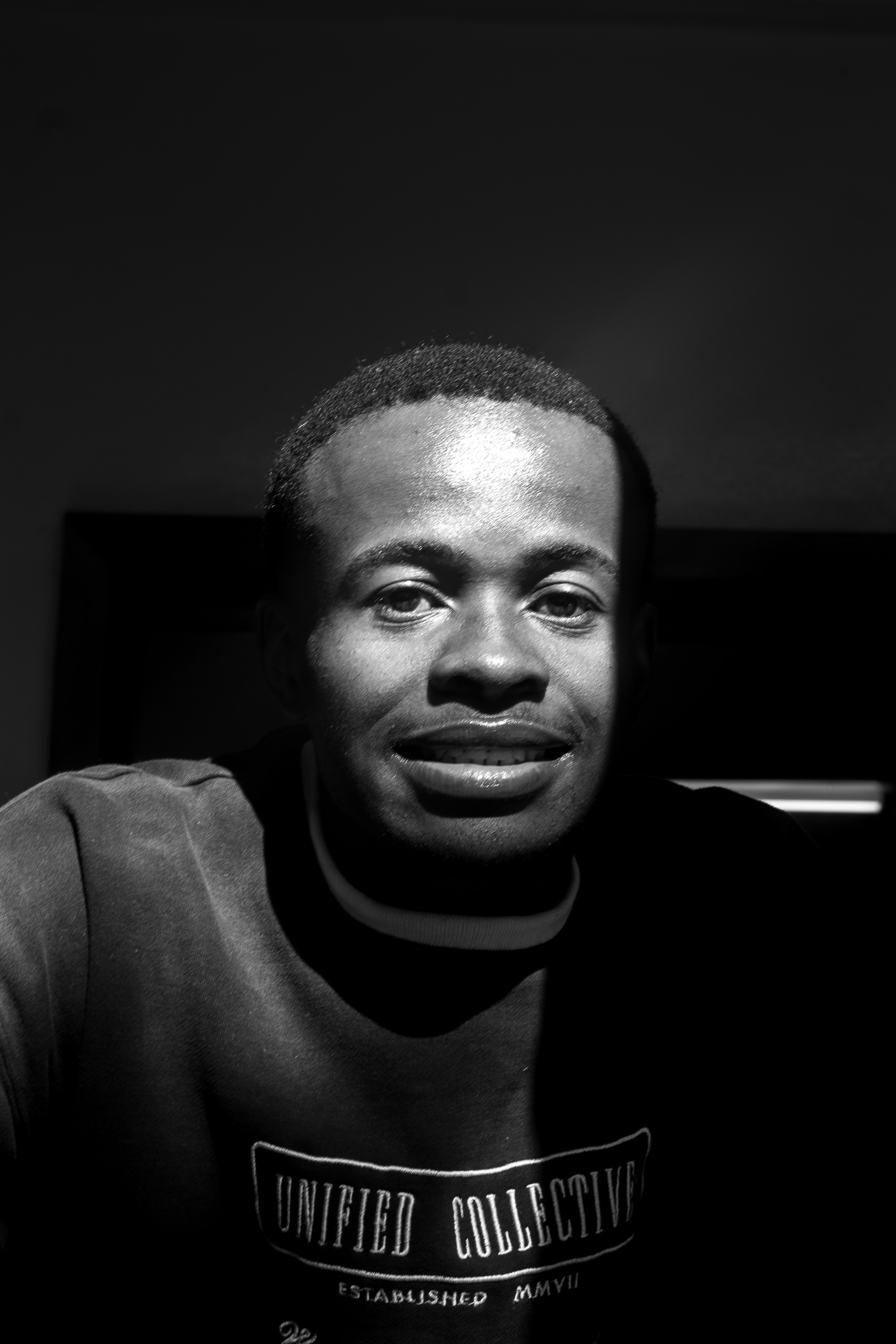
Figure 3
Performed Smile, Portrait of Kelvin Fuji, presenting an expression that contrasts with visible tension in the eyes and posture, suggesting the performance of emotion rather than genuine ease. Photograph taken in Grahamstown (Makhanda), on the Rhodes University premises by Zekhethelo Ncanana, 2026.
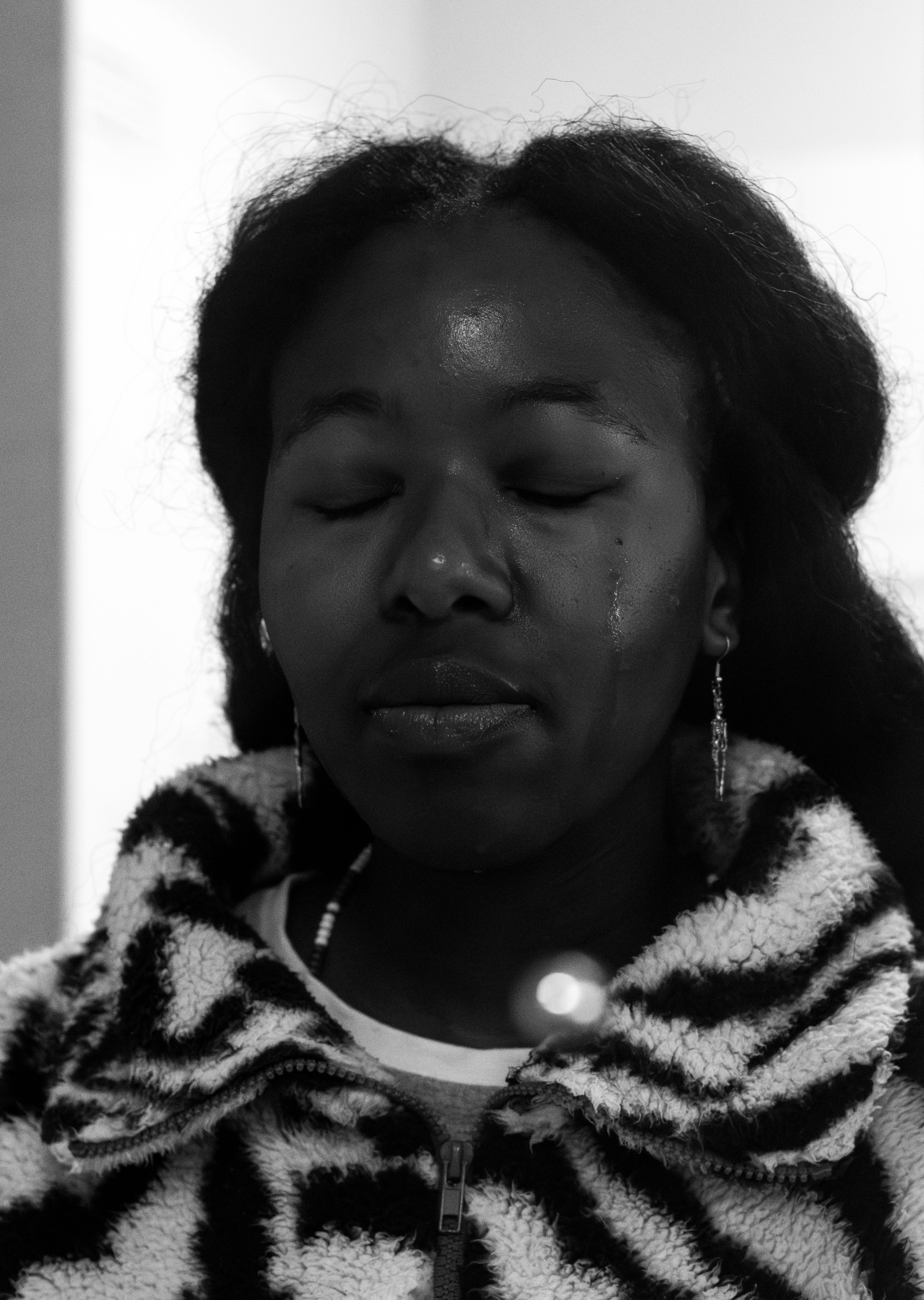
Figure 4
Constructed Vulnerability, Portrait of Tamara using water drops to simulate tears, exploring the tension between staged emotion and the visual representation of genuine vulnerability. Photograph taken in Grahamstown (Makhanda), on the Rhodes University premises by Zekhethelo Ncanana, 2026.
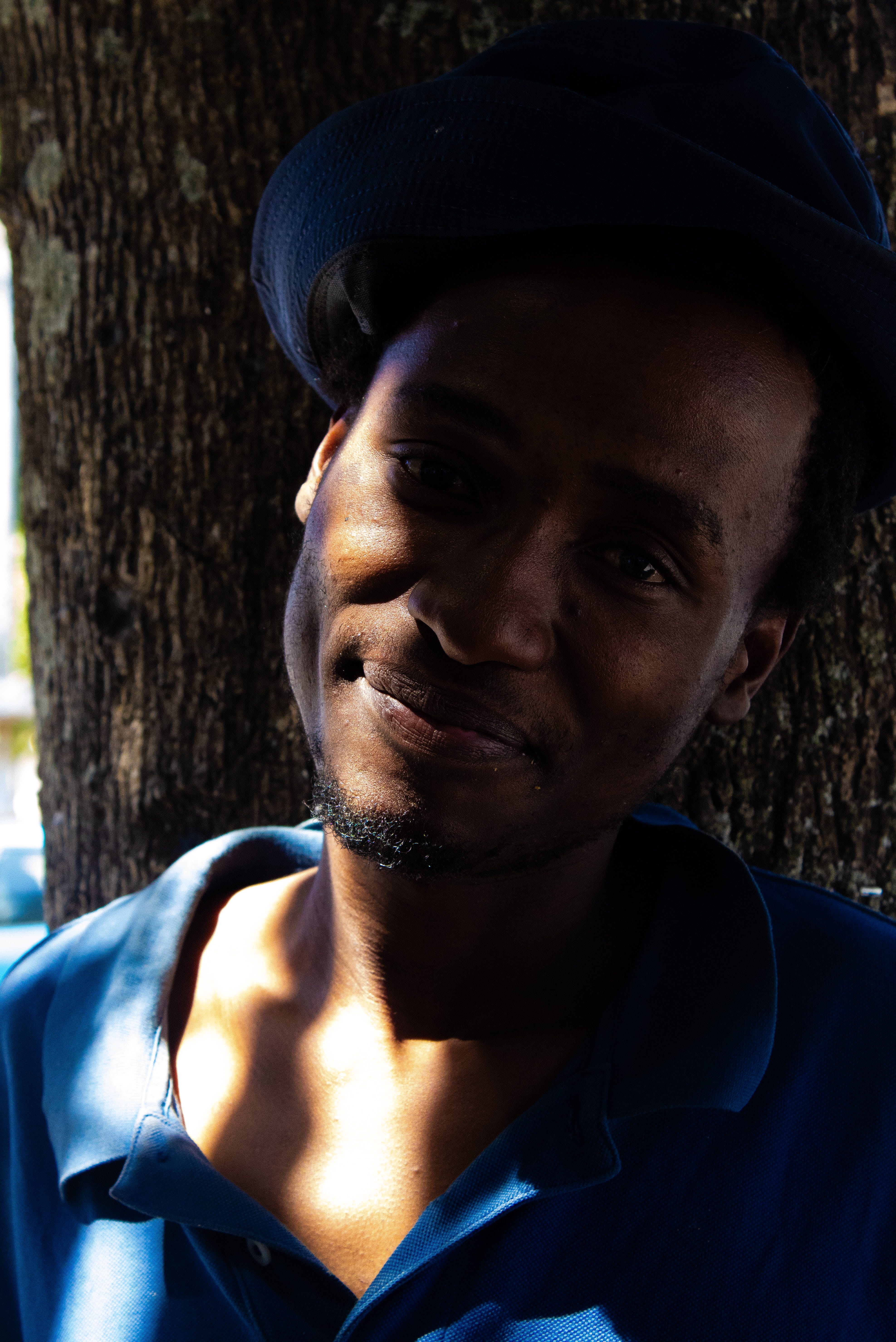
Figure 5
Resilient Smile, Portrait of a Luyolo looking directly at the camera while smiling, highlighting the contrast between outward expression and lived reality of being a homeless young man. Photograph taken in Grahamstown (Makhanda), on the Rhodes University premises by Zekhethelo Ncanana, 2026.
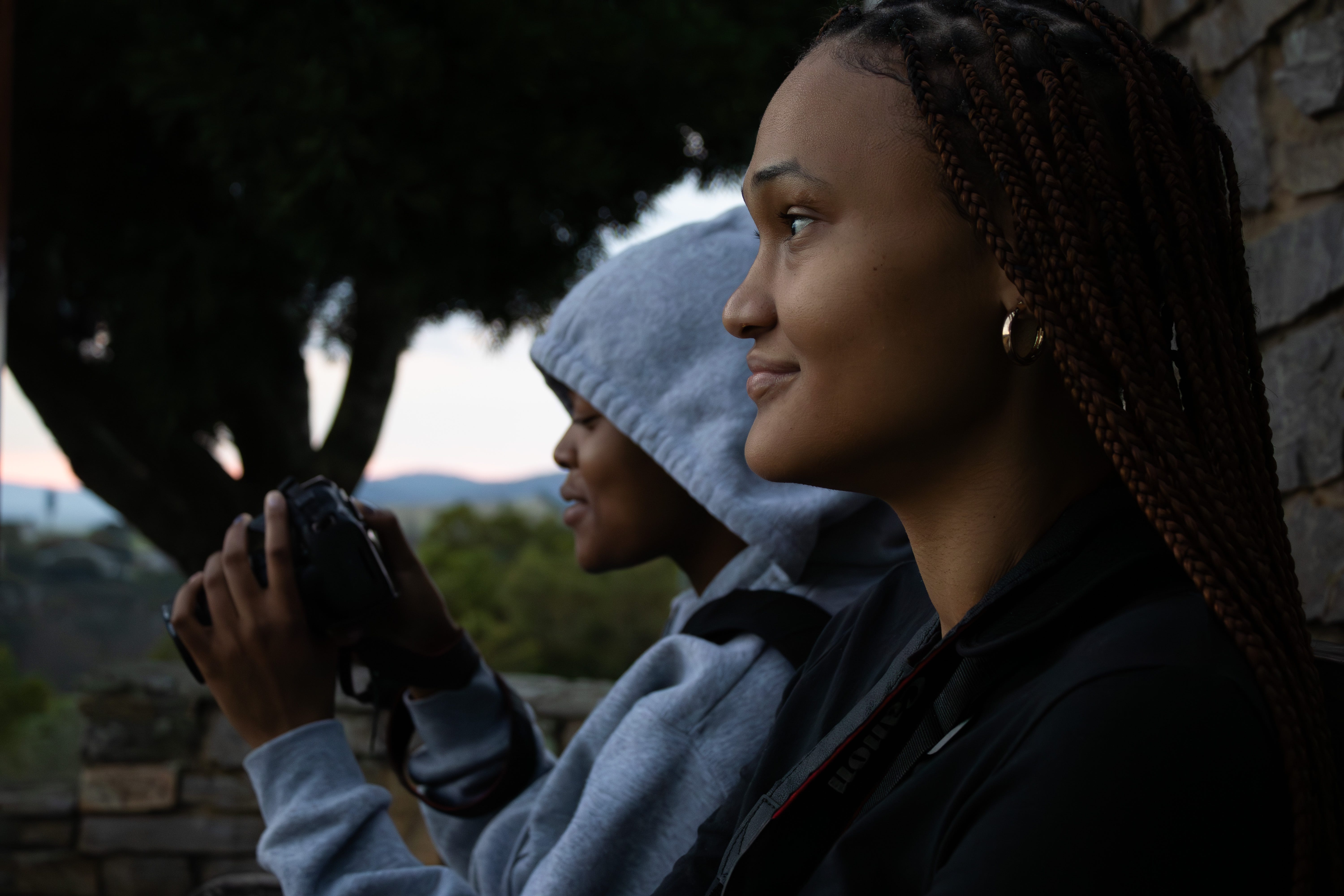
Figure 6
Shared Performance, Portrait of two friends, Akhona and Swan'e, smiling, one holding a camera while the other looks forward, captured from a side angle to emphasize awareness of being photographed and performative interaction. Photograph taken in Grahamstown (Makhanda), on the Rhodes University premises by Zekhethelo Ncanana, 2026.
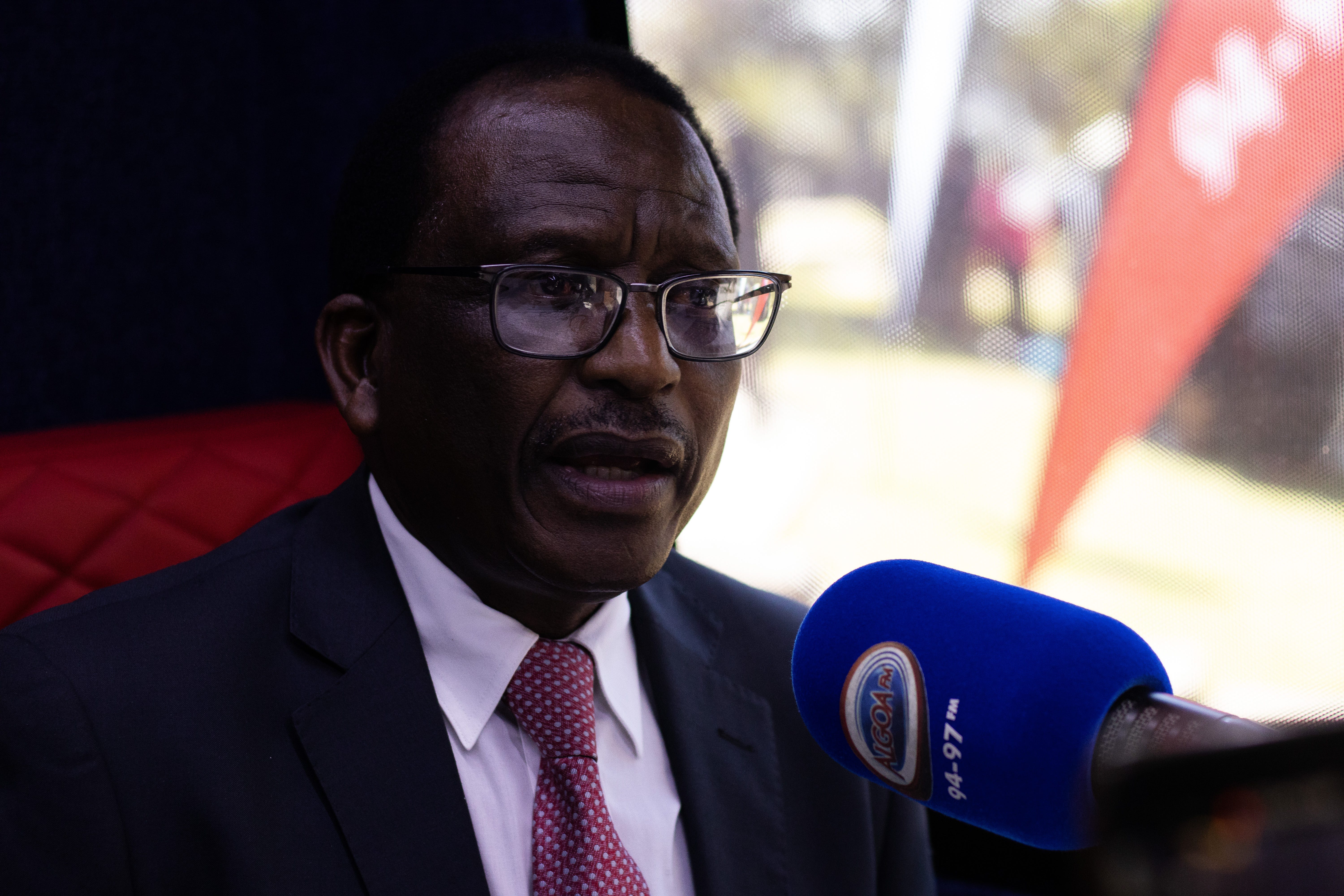
Figure 7
Public Persona, Portrait of the Rhodes University Chancellor during an interview, capturing a composed and professional expression shaped by public presence. Photograph taken in Grahamstown (Makhanda), on the Rhodes University premises by Zekhethelo Ncanana, 2026.
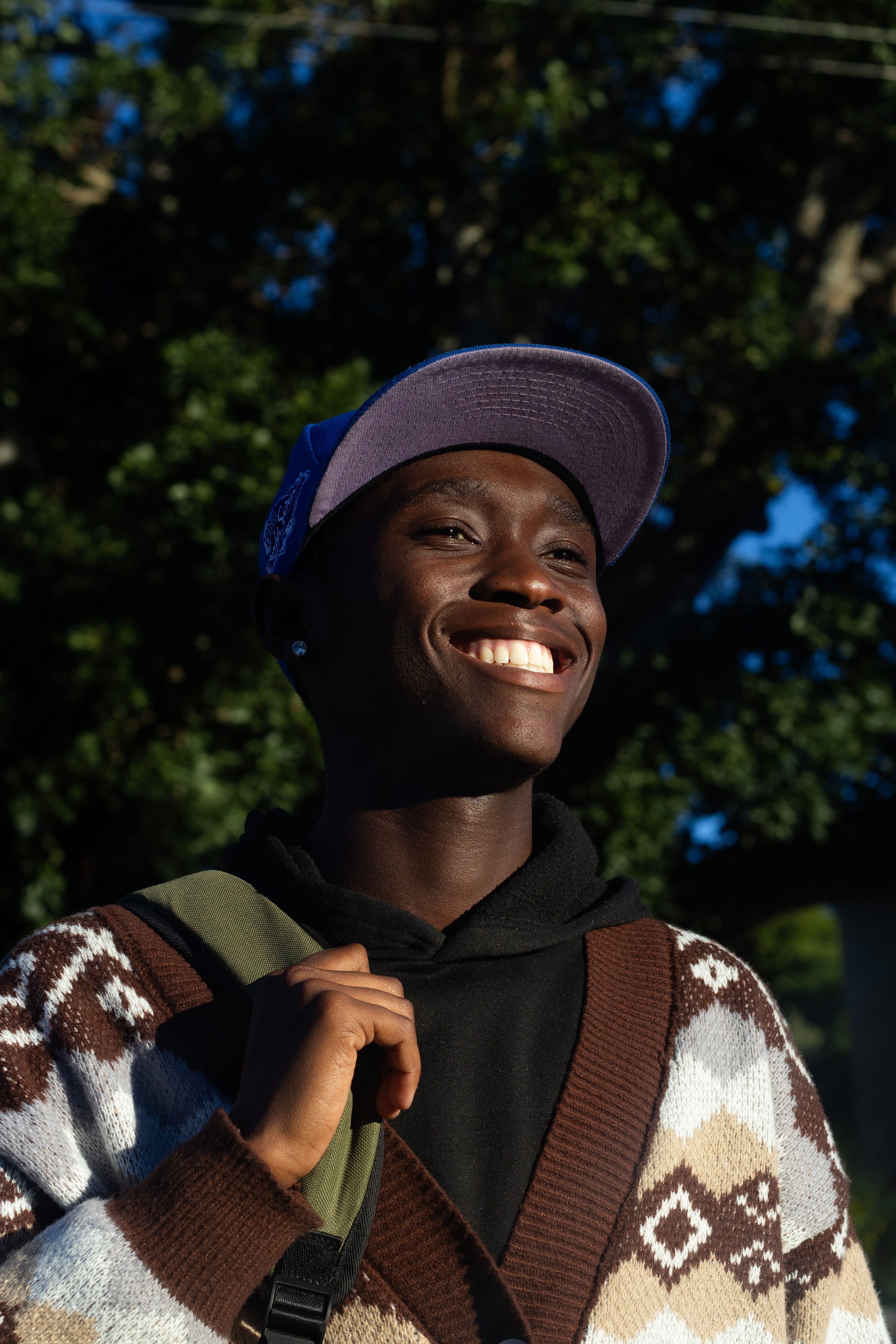
Figure 8
Unfiltered Expression, Portrait of a male student smiling broadly with visible teeth, reflecting a spontaneous and open emotional display. Photograph taken in Grahamstown (Makhanda), on the Rhodes University premises by Zekhethelo Ncanana, 2026.
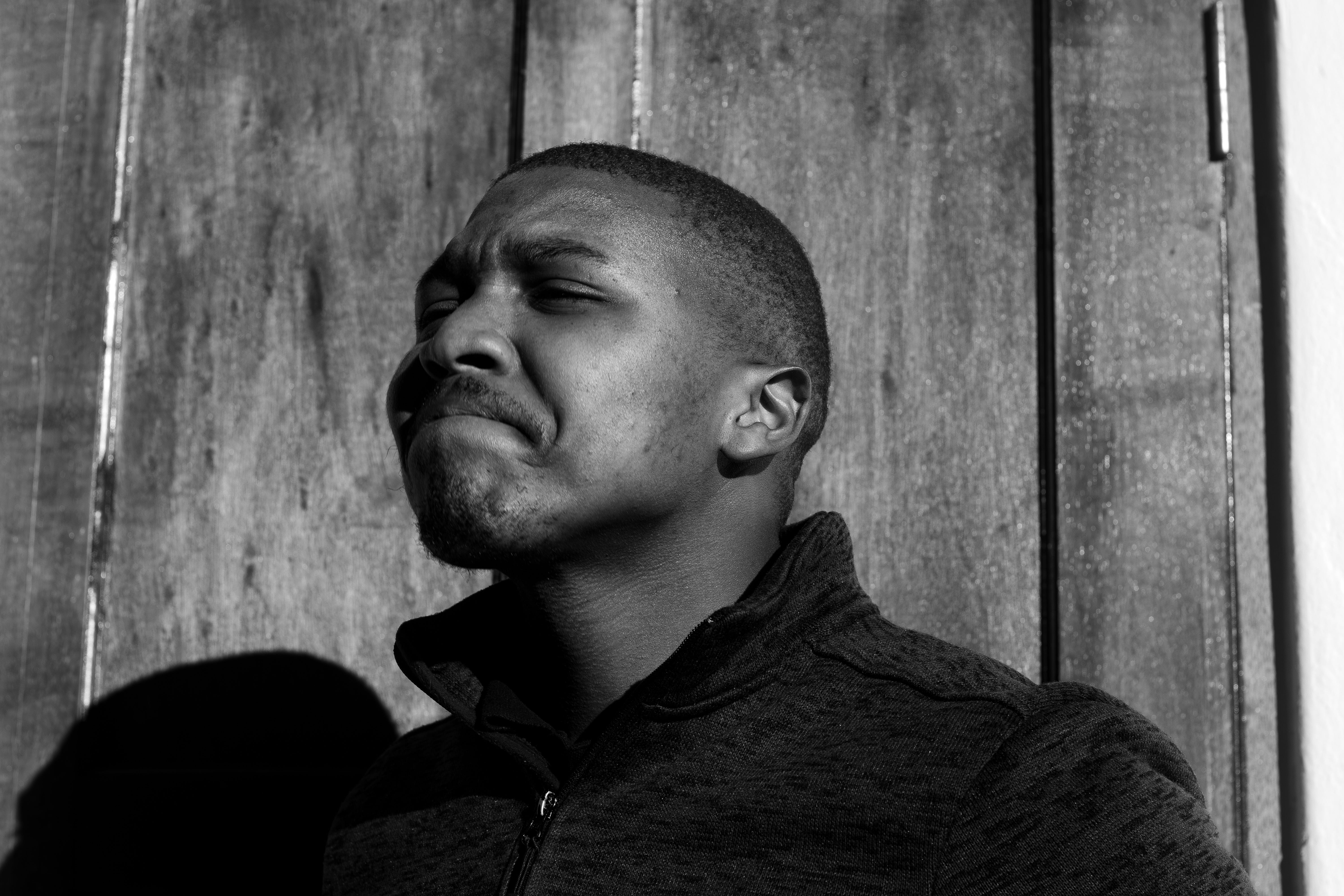
Figure 9
Between Expressions, Portrait of Luba captures a moment of uncertainty where he appears caught between expressions, reflecting discomfort and hesitation during the photographic process. Photograph taken in Grahamstown (Makhanda), on the Rhodes University premises by Zekhethelo Ncanana, 2026.
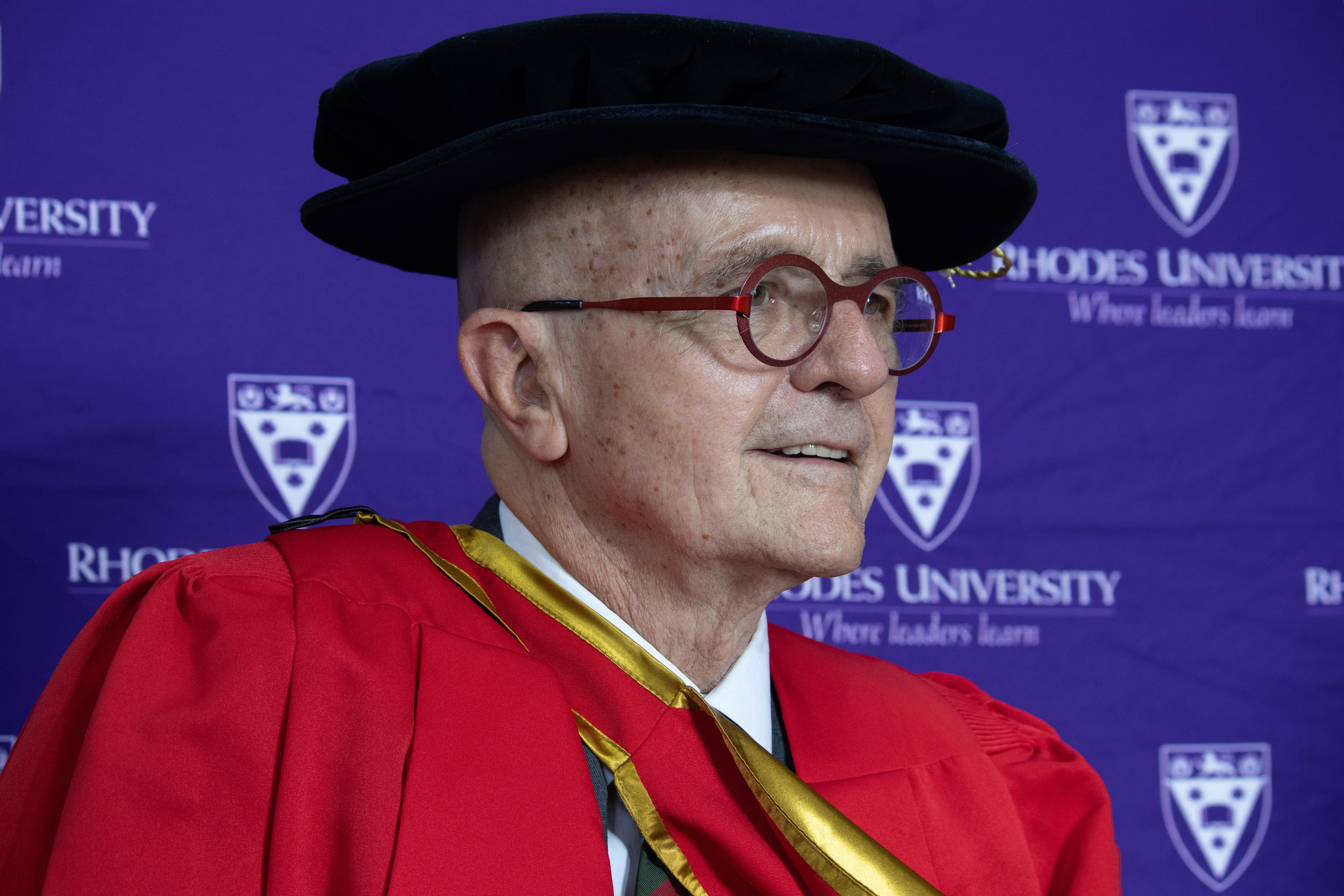
Figure 10
Subtle Composure, Portrait of Dr Smith, captured during an interview with a restrained smile, suggesting professionalism and controlled emotion. Photograph taken in Grahamstown (Makhanda), on the Rhodes University premises by Zekhethelo Ncanana, 2026.
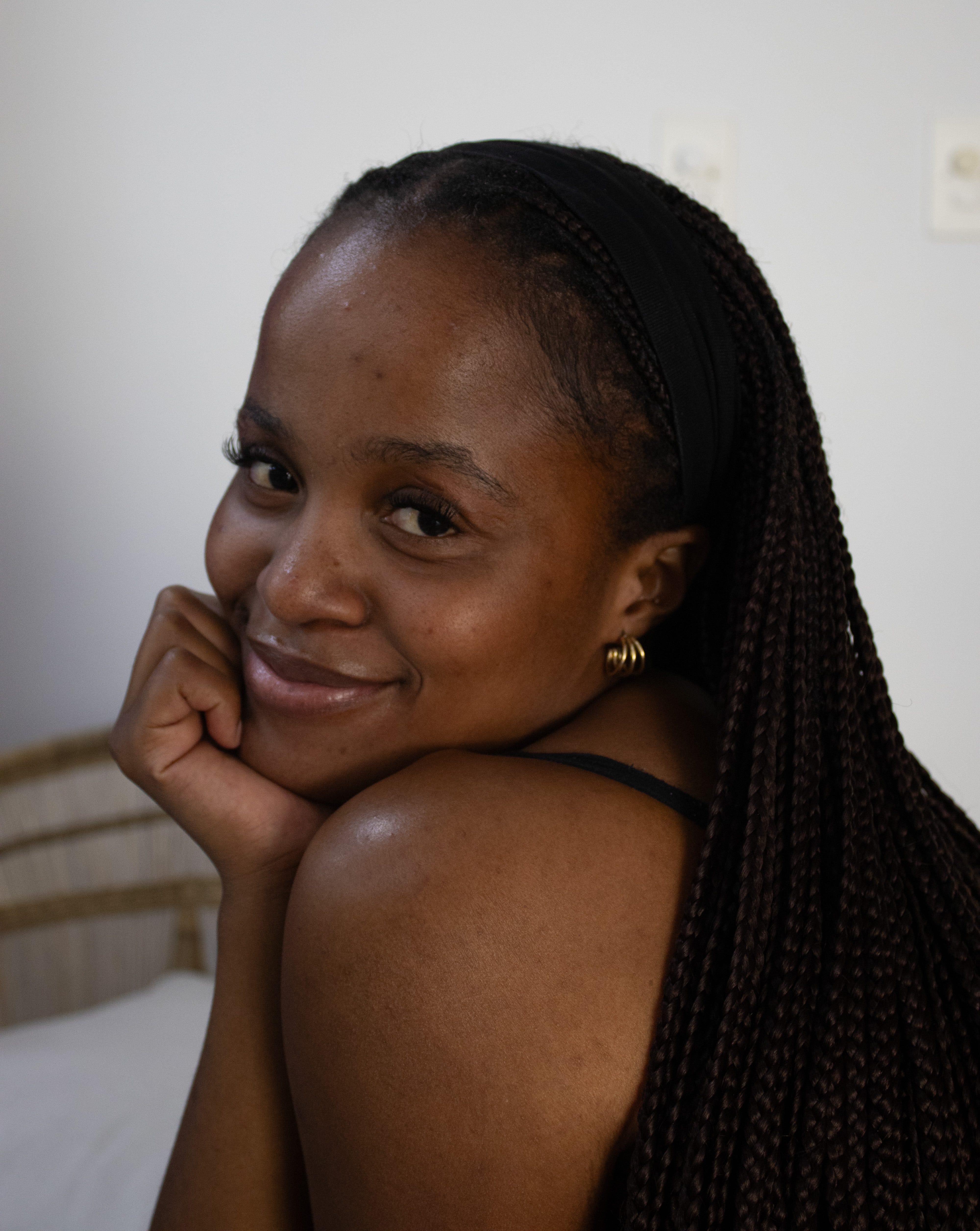
Figure 11
Direct Connection, Portrait of Philiswa Sithole looking directly into the camera while smiling, creating a sense of engagement and authenticity between the subject and viewer. Photograph taken in Grahamstown (Makhanda), on the Rhodes University premises by Zekhethelo Ncanana, 2026.
REFLECTION
To begin with, I decided to make portraits on the theme of hidden emotions behind a smile. That is, I tried to choose such models who would look cheerful in photographs but show some other emotion inside. Still, having started the process of creating, I understood that not all my photos were devoted to this topic. Therefore, I changed my idea and tried to convey the contrast between performance and real reaction. For example, in one of my photos, the subject looks cheerful, but his smile does not seem sincere – there is clear stress around his eyes and rigidity of the position. Here we see that a person tries to show his best side when he knows about a photo session and is conscious about what he does. At the same time, in another of my portraits, the model is portrayed with an absolutely neutral face, but the gaze is direct and confident. In this case, we can talk about an absolutely authentic picture because the subject was not trying to look cheerful or beautiful. I also created another picture where the subject seems to be either uncertain or a bit confused. It becomes an essential element of the series since it reflects the person who is somewhere in-between facial expressions and does not know what expression to make. Such images turned out to be quite useful for me because they reflected the feeling of discomfort and uncertainty that may occur during the photo session. They appeared unexpectedly, and yet they became one of the best results of my work. As for difficulties during the process, it mostly concerned directing my subjects. The vast majority of people tend to smile or strike a pose while being filmed. Thus, it was quite hard to make my models act naturally. At times, I could not achieve my desired result; therefore, I needed to find other ways of working with the image. For instance, when I tried to convince my model to shed tears in front of the camera, I failed. However, I managed to use water drops to create the effect of crying. It was tough to work with some of the people as well since one person especially felt very uncomfortable while being photographed. That's why I had to keep up the conversation while taking photos of him in order to make him feel more relaxed. Despite the fact that the majority of the models I worked with cooperated really well, sometimes it was rather tricky to direct them and get the expected results. The hardest thing about the assignment for me was the fact that not all my shots were consistent with the initial idea. Therefore, I had to reconsider my concept and change it in accordance with what I wanted to achieve in the end. Anyway, this project really made me stretch my limits as far as directing people and dealing with the mistakes I might make is concerned. Instead of trying to take technically flawless pictures, now I am trying to show people's true emotions and unusual situations, which is much more interesting. This series of portraits explores the tension between performed expressions and natural, unguarded reactions. Each image captures how people present themselves in front of the camera, a space where awareness often influences expression and behaviour. Some portraits show controlled smiles or carefully posed moments, while others reveal more instinctive, unfiltered reactions that appear without deliberate intention. Together, the images highlight the shifting boundary between performance and authenticity. Subtle details such as tension in the face, hesitation, or stillness suggest the contrast between what is consciously shown and what naturally emerges. Rather than focusing on a single fixed emotion, the series encourages viewers to consider how identity can change depending on context, and how easily expression can move between performance and reality.